
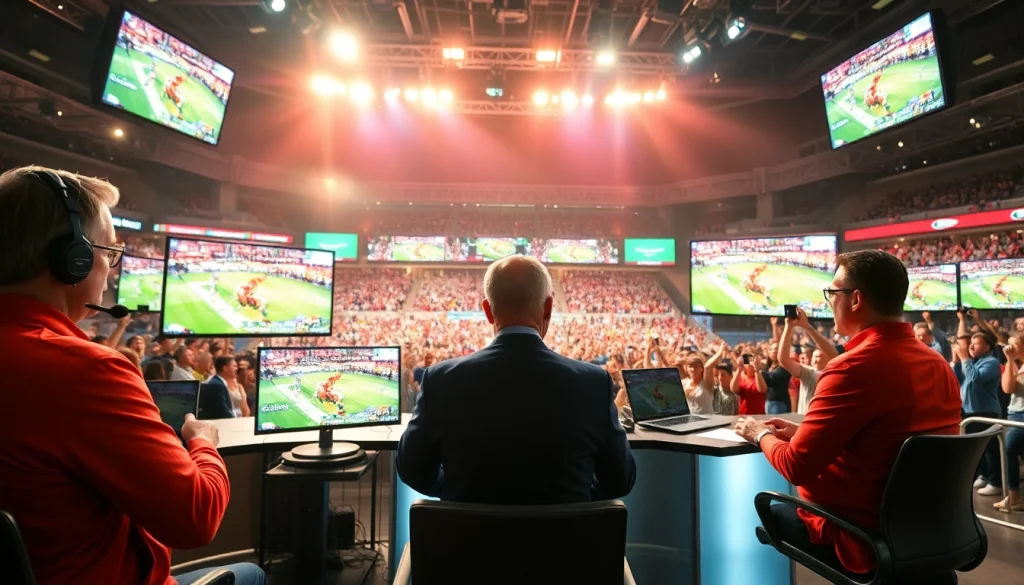
The Importance of Sports Broadcasting in Today’s Media Landscape
Sports broadcasting has evolved dramatically, becoming a critical component of the media landscape. It serves as a bridge between fans and their favorite sports, creating an immersive experience that fuels engagement and loyalty. This unique blend of entertainment and information has allowed sports broadcasters to thrive in a competitive market. The integration of technology and audience insights has transformed how content is created and consumed, leading to innovative viewing experiences. A pivotal element of this transformation is the ability to adapt to evolving demands in audience demographics and viewer engagement trends, providing opportunities and challenges that broadcasters must navigate.
Sports Broadcasting is not just about live coverage; it encompasses the entire ecosystem of fan engagement, advertising strategies, and technological advancements that shape the sports experience. Understanding these dynamics can provide deeper insights into the future of media consumption in sports and its broader implications for other industries.
Understanding Audience Demographics
One of the key aspects of effective sports broadcasting is understanding the demographics of the audience. Broadcasters target a wide range of viewers based on age, gender, geographic location, and even interests. For instance, traditional platforms have historically attracted older audiences, while younger viewers are increasingly turning to digital channels. This shift necessitates a comprehensive analysis of audience data to develop tailored content that resonates with different segments.
Moreover, the rise of social media has further complicated audience analysis. Platforms like Twitter, Instagram, and TikTok have become vital tools for reaching fans in real-time. Engaging these diverse demographic groups requires broadcasters to create content that is relatable and shareable, integrating best practices from digital marketing strategies to enhance viewership.
Analyzing Viewer Engagement Trends
Viewer engagement trends offer critical insights into how audiences interact with sports broadcasts. Metrics such as viewership numbers, social media interactions, and online streaming statistics are essential to understanding what keeps fans engaged. Live broadcasts of games generate immediate responses from audiences via social media platforms, turning viewers into active participants during the event. This creates a community feeling that broadens the appeal and increases the content’s reach.
Additionally, analyzing viewership trends helps broadcasters identify peak times for audience engagement. For example, major sporting events often see spikes in viewership that can be leveraged for targeted advertising opportunities. By integrating data analytics into their strategies, broadcasters can refine their content delivery to achieve higher viewer retention and satisfaction.
Impact of Technology on Sports Broadcasting
Technology has revolutionized sports broadcasting, influencing every aspect of content production and dissemination. High-definition video, slow-motion replays, and immersive audio have raised production standards significantly. Additionally, innovations like virtual reality (VR) and augmented reality (AR) are enriching viewer experiences, offering them unprecedented engagement opportunities. For instance, VR technology allows fans to experience games from unique perspectives, such as from a player’s viewpoint or an exclusive behind-the-scenes tour.
Furthermore, streaming services have disrupted traditional broadcasting models, providing on-demand access to sports content. Viewers can now customize their viewing experience by selecting specific games, highlights, or analyses, which has led to more personalized viewing options. This shift necessitates constant adaptation from broadcasters to stay competitive and meet viewer expectations.
Key Components of Effective Sports Broadcasting
Studio Setup and Production Techniques
A successful sports broadcast begins with a robust studio setup and effective production techniques. The physical environment, including camera placements, lighting, and sound design, plays a crucial role in delivering a compelling viewing experience. A well-structured studio setup enhances visual storytelling, making it easier for viewers to engage with the content.
Modern production techniques, such as multi-camera angles and dynamic graphics integration, allow broadcasters to create immersive narratives. Engaging production crews, advanced editing software, and timely content distribution are critical aspects that affect the overall quality of a sports broadcast. For instance, the use of real-time graphics can present crucial statistics and player information, increasing viewer satisfaction.
Choosing the Right Commentary Style
Commentary plays an essential role in shaping viewer experiences during live sports broadcasts. The choice of commentary style can significantly affect how audiences perceive and engage with the content. Different sports and events might necessitate varying levels of excitement, analysis, and humor from commentators.
Moreover, the synergy between commentators can elevate the broadcast experience. Pairing a seasoned analyst with an enthusiastic commentator can create the perfect balance, ensuring that both casual and hardcore fans remain engaged. Effective commentary should also be adaptable to the audience’s changing preferences and the dynamics of the game.
Utilizing Graphics and Analytics Effectively
Graphics and analytics are key components of modern sports broadcasting. Visual representations of data enhance storytelling, making it easier for viewers to understand complex statistics and game dynamics. By integrating detailed graphics during replays, broadcasters can highlight critical moments and tactical moves that significantly impact the game.
Furthermore, thoughtful analytics can provide insights into player performances and team strategies, enhancing viewer knowledge and appreciation for the sport. Utilizing graphics and analytics not only captivates audiences but also helps fans develop a deeper understanding of the games they love.
Challenges Faced in Sports Broadcasting
Adapting to Rapidly Changing Technology
The pace of technological change in the sports broadcasting landscape presents significant challenges for broadcasters. The rapid evolution of digital platforms, streaming technologies, and viewer expectations requires organizations to stay agile and responsive. Failure to keep up with these changes can result in decreased market share and a disconnect from audiences who are increasingly migrating towards more innovative viewing options.
To navigate this challenge, broadcasters must continuously invest in technology and staff training. Fostering a culture of innovation and actively seeking feedback from audiences can drive improvements and ensure that content aims to meet evolving viewer needs.
Maintaining Regulatory Compliance
Compliance with industry regulations is vital for broadcasters, especially as legal landscapes shift with new technologies. Understanding the complexities of broadcasting rights, sponsorship deals, and licensing agreements is crucial to avoid legal repercussions that can hamper operations and tarnish reputations.
Proactive approaches, such as establishing clear compliance protocols and investing in legal counsel for ongoing developments, can help broadcasters stay ahead of regulatory changes.
Combatting Viewer Fatigue
Viewer fatigue is a pressing challenge for sports broadcasters, particularly in an environment with an overwhelming amount of content available. Audiences can become desensitized to constant exposure to live events, highlights, and analyses. To combat fatigue, broadcasters must find innovative ways to refresh their offerings.
This can include creating interactive content, producing high-quality narratives, and emphasizing unique aspects of sports that differentiate their broadcasts from competitors. Engaging with viewers through social media or hosting events that foster community can also keep audiences excited and connected to the content.
Future Trends in Sports Broadcasting
Integration of Augmented Reality
The integration of augmented reality (AR) into sports broadcasting is set to reshape viewer experiences significantly. By overlaying digital graphics on real-world environments, broadcasters can enhance storytelling and provide enriched information about players, scores, and game stats in real-time. This experience not only captures viewer attention but allows fans to connect more deeply with the action as it unfolds.
For example, AR can enhance replays with player tracking, analytics, and insights that can be accessed while the game proceeds, creating an immersive experience that traditional broadcasts cannot replicate.
Personalization of Viewer Experiences
Personalization is another key trend in the future of sports broadcasting. As data analytics becomes more sophisticated, broadcasters can offer tailored experiences based on individual viewer preferences. This might include customizable viewing angles, personalized alerts for player performances, and curated highlights based on spectator interests.
This personal touch resonates more effectively with viewers seeking connection and relevance in their sports experience, leading to higher engagement levels and loyalty.
Emergence of Streaming Services
The rise of streaming services has redefined how sports are consumed. With the flexibility to watch games on various devices, viewers are no longer tethered to traditional cable broadcasts. This shift has also prompted broadcasters to develop original content and leverage exclusive partnerships with streaming platforms to reach wider audiences.
By embracing these changes, traditional broadcasters can innovate their strategies, enhance viewer experience, and remain competitive in a fast-evolving landscape.
Best Practices for Successful Sports Broadcasting
Creating Interactive Content
Interactive content fosters viewer engagement and enhances the watching experience. Incorporating polls, quizzes, and live Q&A sessions during broadcasts can significantly increase audience participation. This interactivity turns passive viewers into active participants, creating a sense of community that enriches the overall experience.
Additionally, featuring interactive elements fosters brand loyalty and a deeper connection between broadcasters and their audiences.
Leveraging Social Media for Engagement
Social media is a powerful tool for amplifying sports broadcasts. Platforms allow broadcasters to share real-time updates, behind-the-scenes content, and engage with viewers directly. Encouraging audience participation through hashtags, polls, and contests can create buzz before, during, and after sporting events.
Utilizing social media strategically can help broadcasters expand their reach, enhance viewer interaction, and build a dedicated fan base.
Metrics to Measure Performance and Reach
Measuring the performance of sports broadcasts is vital for understanding viewer engagement and reach. Key metrics include viewership numbers, social media interactions, and audience growth. Regular analysis helps broadcasters identify strengths and areas for improvement, ultimately guiding strategic decisions.
Implementing robust analytics tools for continuous monitoring can lead to actionable insights that enhance content quality and increase audience satisfaction.
FAQs about Sports Broadcasting
What is sports broadcasting?
Sports broadcasting refers to the coverage and distribution of sports events and related content via television, radio, and online platforms, providing audiences with live action, commentary, and analysis.
What role does technology play in sports broadcasting?
Technology enhances sports broadcasting by improving production quality through HD video, AR/VR integration, and advanced analytics, creating a more immersive experience for viewers.
How can broadcasters combat viewer fatigue?
Broadcasters can address viewer fatigue by delivering unique content, engaging audiences through interactive features, and maintaining high production quality to keep viewers captivated.
What are the benefits of personalization in sports broadcasting?
Personalization improves viewer engagement by offering customized experiences based on individual preferences, leading to increased loyalty and satisfaction among audiences.
Why is social media important for sports broadcasters?
Social media is crucial for sports broadcasters as it facilitates real-time engagement, expands audience reach, and allows for interactive content that enhances the overall viewing experience.