

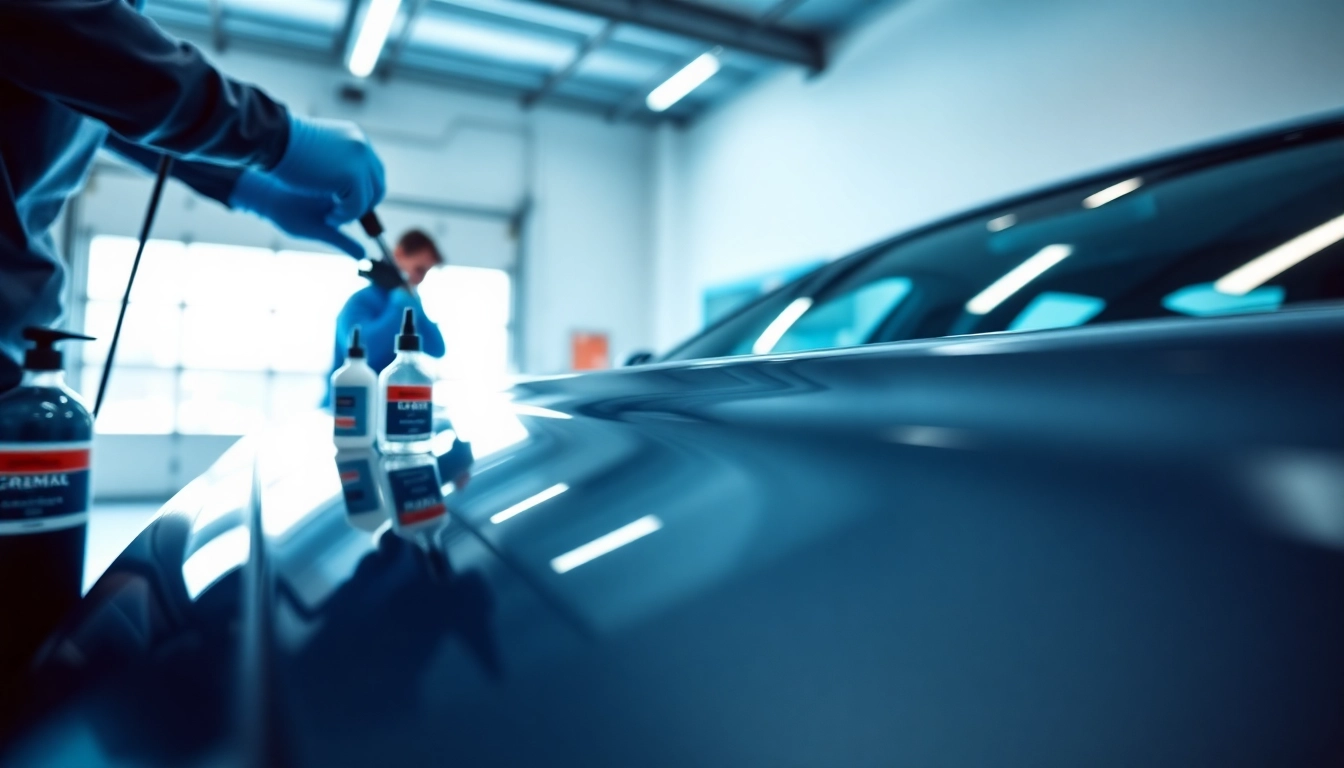
Understanding Salt Protection Ceramic Coating
What is Salt Protection Ceramic Coating?
Salt protection ceramic coating is a specialized type of protective treatment for vehicles, designed to shield surfaces from the damaging effects of salt, particularly in colder climates where road salt is prevalent. This coating forms a semi-permanent, hydrophobic layer that not only enhances the aesthetic appeal of the vehicle but also acts as a formidable barrier against corrosion, dirt, grime, and contaminants. Compared to traditional waxes or sealants, ceramic coatings provide superior durability and longevity, often lasting for years with the right maintenance.
Benefits of Salt Protection Ceramic Coating
The advantages of selecting a salt protection ceramic coating for your vehicle are numerous:
- Durability: Unlike regular wax, ceramic coatings can last for several years, making them cost-effective over time.
- Corrosion Resistance: The coating protects against salt and moisture, significantly reducing the risk of rust and corrosion.
- Hydrophobic Properties: These coatings repel water, helping to prevent water spots and making cleaning easier.
- Enhanced Shine: The gloss that ceramic coatings provide not only elevates the vehicle’s appearance but also enhances its resale value.
- UV Protection: The coating protects paint from harmful UV rays, mitigating fading and oxidation.
How Salt Protection Ceramic Coating Works
At the molecular level, ceramic coatings are made of silicon dioxide (SiO2), which is the same compound found in glass. When applied, this liquid polymer bonds chemically to the vehicle’s paint, creating a strong, protective layer. This bond is not only robust but also flexible, allowing the coating to adapt to the vehicle’s surface. The result is a barrier that resists salt, chemicals, and environmental pollutants while offering exceptional water and dirt-repelling properties. Most importantly, the longevity of these coatings means less frequent reapplication and extended protection against the elements.
Choosing the Right Salt Protection Ceramic Coating
Factors to Consider
When selecting a salt protection ceramic coating, there are several important factors to consider:
- Type of Coating: Different coatings serve various purposes. Choose one specifically labeled for salt protection.
- Durability Rating: Look for coatings that offer long-lasting protection, ideally with a warranty.
- Ease of Application: Some coatings are easier to apply and do not require professional tools.
- Cure Time: The time it takes for the coating to fully cure can impact how soon you can wash your vehicle.
- Cost: Assess the manufacturer’s reputation against the price to ensure value.
Top Features of Quality Ceramic Coatings
A high-quality ceramic coating should offer several essential features:
- Hydrophobic Properties: Superior water repellency, minimizing water spots and dirt accumulation.
- Scratch Resistance: Enhanced hardness that protects the paint against minor scratches.
- Chemical Resistance: Ability to withstand harsh cleaning agents and environmental pollutants.
- UV Protection: Shields vehicle paint from the sun’s damaging rays.
- Self-Cleaning Properties: Allows dirt and grime to wash off easily, reducing maintenance time.
Evaluating Product Reviews
When assessing different salt protection ceramic coatings, it’s vital to read product reviews. Look for detailed feedback, focusing on:
- Performance: Determine if users noticed a significant reduction in corrosion and staining.
- Application Experience: Understand if the application was user-friendly or required professional assistance.
- Durability Evidence: Seek long-term reviews rather than initial impressions to gauge true longevity.
- Overall Satisfaction: Consider customer feedback on whether they would repurchase the product.
Application Process of Salt Protection Ceramic Coating
Preparation Steps Before Application
Proper preparation is essential for achieving optimal results with salt protection ceramic coating:
- Thorough Washing: Begin with a detailed wash to remove dirt and contaminants.
- Decontamination: Use a clay bar to eliminate embedded dirt and pollutants that washing may not remove.
- Paint Inspection: Inspect the surface for imperfections like scratches or swirls that may need addressing.
- Polishing: If necessary, polish the paint to achieve a smooth and flawless surface before coating.
- Dusting: Ensure the surface is free of dust and debris before application.
Step-by-Step Coating Process
The application of a salt protection ceramic coating can be broken down into several key steps:
- Mixing: Some coatings require mixing. Follow manufacturer instructions closely.
- Application: Use an applicator pad to apply a thin layer of coating in small sections.
- Leveling: After a short curing time, level the coating with a microfiber towel for a uniform finish.
- Curing: Allow the coating to cure according to the manufacturer’s guidelines to ensure maximum bonding.
- Final Inspection: Once cured, inspect the coating for uniformity and gloss.
Common Mistakes to Avoid
To ensure a successful application, avoid the following common mistakes:
- Rushing the Process: Allow adequate time for each step, particularly during curing.
- Ignoring the Environment: Apply in a controlled environment, free from contaminants and extreme temperatures.
- Insufficient Preparation: Skipping preparation steps can lead to poor adhesion and performance.
- Over-application: Applying too much product can cause streaking and hazing.
- Neglecting Maintenance: Proper care post-application is essential for longevity.
Maintaining Your Salt Protection Ceramic Coating
Best Care Practices
To ensure the longevity of your salt protection ceramic coating, employ the following maintenance practices:
- Regular Washes: Clean your vehicle regularly using a pH-neutral soap to avoid degrading the coating.
- Avoid Scrubbing: Use soft microfiber towels to prevent scratch damage when washing.
- Use a Pressure Washer: This can help in the removal of stubborn dirt and debris without harming the coating.
- Inspect Regularly: Check for signs of wear or damage so you can address issues promptly.
- Avoid Harsh Chemicals: Stay away from acidic or alkaline cleaners that can compromise the coating.
Recommended Cleaning Products
Selecting the right cleaning products greatly influences the lifespan and effectiveness of the ceramic coating. Recommendations include:
- pH-Neutral Car Wash Soap: This helps maintain the hydrophobic properties without harming the coating.
- Microfiber Towels: Protect the coating and reduce the risk of scratching during drying.
- Detailing Spray: A detailing spray specifically formulated for ceramic coatings enhances shine without degrading the layer.
- Wheel Cleaner: Use a mild wheel cleaner to safely remove brake dust without damaging the coating.
- Ceramic Coating Maintenance Spray: These sprays often rejuvenate and enhance existing protection.
Scheduling Reapplication Intervals
The longevity of a salt protection ceramic coating varies, typically lasting between two to five years, depending on the product and maintenance. Signs that it may be time for reapplication include:
- Difficulty in water beading.
- Noticeable dullness in gloss.
- A decline in overall protection against contaminants.
- Visible surface blemishes that monitoring cannot alleviate.
Following manufacturer recommendations for reapplication intervals can ensure continuous protection against environmental damage.
Frequently Asked Questions about Salt Protection Ceramic Coating
How long does a ceramic coating last?
A quality ceramic coating can last anywhere from two to five years, depending on the product and maintenance routine.
Can I apply ceramic coating myself?
Yes, many ceramic coatings can be applied by DIY enthusiasts, though professional installation may yield better results.
Does ceramic coating protect against scratches?
Ceramic coatings offer some scratch resistance but are not completely scratch-proof. Care should still be taken.
What is the cost of salt protection ceramic coating?
The cost of ceramic coatings varies widely, generally ranging from a few hundred to over a thousand dollars depending on application and product.
Is maintenance easy for ceramic coatings?
Yes, maintenance is relatively easy, mainly requiring regular washes and the use of pH-neutral cleaning products to enhance longevity.