

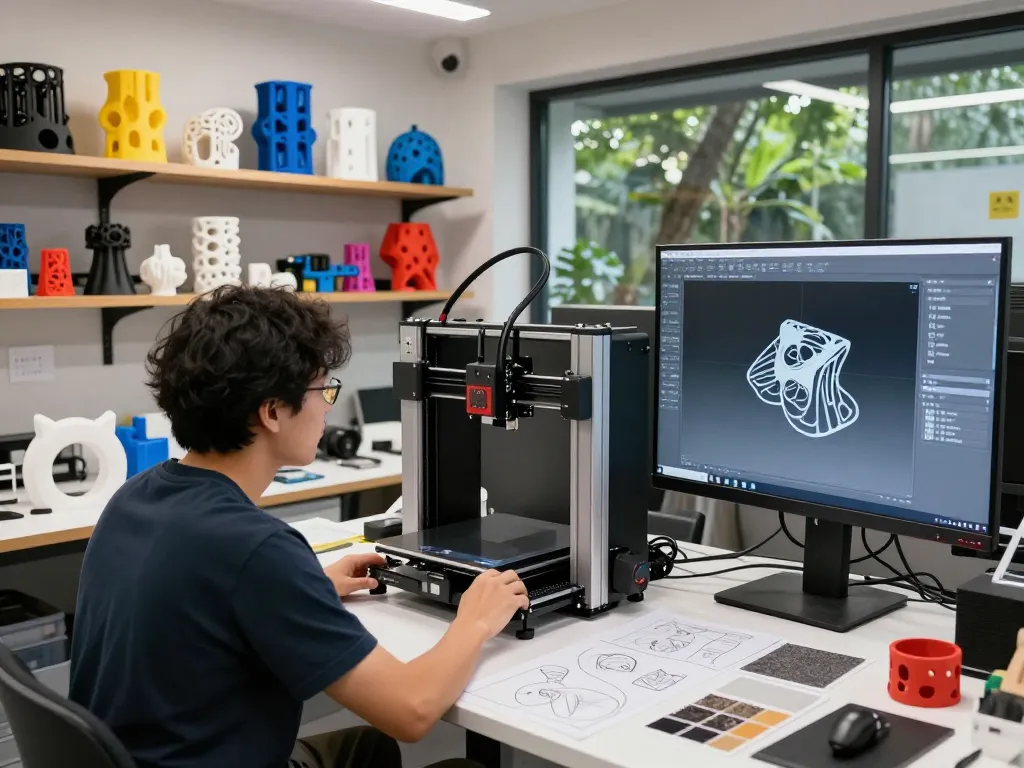
Understanding 3D Printing Technology
3D printing, often referred to as additive manufacturing, has transformed the way we design and create products across various industries. By building objects layer by layer from a digital model, this innovative technology has made it possible to produce complex shapes and designs that were previously unimaginable. As we delve deeper into the realm of 3D Printing, we will uncover its definition, key technologies, and compare the prevalent methods that are reshaping manufacturing and design.
What is 3D Printing?
3D printing is the process of creating three-dimensional solid objects from a digital file. This process involves layering materials—often plastic, resin, or metal—until the final product is complete. Unlike traditional subtractive manufacturing methods, which involve cutting away material to create an object, 3D printing adds material to build an object from the ground up. This method is celebrated for its ability to produce intricate designs and reduce waste significantly.
Key Technologies Behind 3D Printing
Several technologies drive the world of 3D printing, including:
- Fused Deposition Modeling (FDM): This method melts and extrudes thermoplastic filaments through a nozzle to lay down layers of material.
- Stereolithography (SLA): Utilizes a laser to cure liquid resin into solid plastic, creating highly detailed objects.
- Selective Laser Sintering (SLS): Uses lasers to fuse powdered material, typically plastic, metal, or ceramic, into a solid structure.
These technologies each come with distinct advantages and applications, making them suitable for different industries and projects, from prototyping to final production.
Comparing 3D Printing Methods: FDM vs. SLA
When evaluating 3D printing methods, FDM and SLA are among the most prominent due to their unique characteristics:
- FDM: Generally more affordable and accessible, FDM printers are great for beginners and hobbyists. They allow the use of a wide range of thermoplastic materials.
- SLA: Offers superior print resolution and detail, making it ideal for applications requiring fine features, such as jewelry or dental models. However, it often requires more post-processing work.
The Role of 3D Printing in Modern Design
3D printing is revolutionizing design across industries, from automotive to healthcare, offering unparalleled flexibility and innovation. Its ability to create customized products on-demand not only streamlines production but also allows companies to meet specific consumer needs efficiently.
3D Printing Applications in Various Industries
The versatility of 3D printing has led to a variety of applications in different fields:
- Healthcare: Custom prosthetics, dental implants, and even bioprinting of tissues are now possible thanks to 3D printing.
- Aerospace: Lightweight components that meet strict regulatory requirements are designed using additive manufacturing techniques, improving fuel efficiency.
- Fashion: Designers are experimenting with 3D-printed textiles and accessories, pushing the boundaries of traditional fashion.
Innovative Use Cases of 3D Printing
Examples of innovative use cases include:
- Construction: 3D printing is used to build houses and structures more quickly and cost-effectively, using materials like concrete.
- Food: Chefs are utilizing 3D printing technology to create intricate food designs, changing culinary presentations.
How 3D Printing Enhances Product Development
3D printing accelerates product development cycles by allowing rapid prototyping. Designers can quickly iterate on designs, create test models, and refine their ideas without the extensive time and cost associated with traditional manufacturing.
Getting Started with 3D Printing
For those interested in exploring 3D printing, understanding the fundamental aspects of the technology is essential. From selecting the right printer to choosing suitable materials, each step is crucial for successful projects.
Choosing the Right 3D Printer for Your Needs
When selecting a 3D printer, consider factors such as:
- Purpose: Determine whether you need a printer for prototyping, educational purposes, or production.
- Budget: Prices can vary widely, so establish a budget that includes potential material costs.
- Specifications: Look for features, including print size, resolution, and supported materials that align with your projects.
Essential Materials for 3D Printing Projects
The most common materials used in 3D printing include:
- PLA: A biodegradable plastic that’s user-friendly and ideal for beginners.
- ABS: Known for its strength and durability, suitable for functional parts and prototypes.
- Resin: Used in SLA printing, it provides high detail but requires additional handling and safety precautions.
Step-by-Step Guide to 3D Printing Your First Model
- Choose a model: Begin with a simple design available on platforms like Thingiverse.
- Prepare the printer: Set up your 3D printer according to manufacturer instructions.
- Slicing: Use slicing software to convert the model into a format the printer can read.
- Print: Start the printing process and monitor for any issues.
- Post-Processing: Clean up the print, removing supports and smoothing surfaces as needed.
Common Challenges and Solutions in 3D Printing
While 3D printing offers countless opportunities, it also presents challenges that users must navigate for successful outcomes.
Frequent Problems in 3D Printing and How to Fix Them
Some common issues include:
- Warping: Often caused by uneven cooling; use heated beds or proper enclosure to minimize.
- Stringing: This occurs with certain filament types; adjust retraction settings to reduce.
Understanding Software Compatibility Issues
Compatibility between 3D models and printer software can sometimes be an obstacle. Ensure that the slicing software supports the file formats you plan to use, and keep software updated to handle new features.
Improving 3D Print Quality: Tips and Tricks
To enhance print quality, consider:
- Tuning settings: Adjust temperature, speed, and layer height based on the material used.
- Calibration: Regularly calibrate your printer to ensure precision and accuracy.
- Maintenance: Keep the printer clean and components in good condition to prevent mechanical failures.
The Future of 3D Printing: Trends and Predictions
The future of 3D printing looks promising as technology continues to evolve, setting the stage for exciting developments in manufacturing and design.
Emerging Technologies in 3D Printing for 2026
As we approach 2026, significant advancements in materials and techniques are expected, including:
- Advanced Bioprinting: Improved methods for printing tissues and organs could revolutionize healthcare.
- On-Demand Manufacturing: Production of parts as needed could drastically reduce inventory costs.
The Impact of AI on 3D Printing Innovation
Artificial Intelligence is poised to enhance 3D printing by optimizing design processes, predicting maintenance needs, and personalizing products through advanced algorithms.
Forecasting the Growth of 3D Printing Markets
Market research indicates that the 3D printing industry will continue to grow significantly, with projections suggesting it could exceed $60 billion by 2030, with increased adoption in numerous sectors driving this expansion.