

Introduction to Peptide Compounds
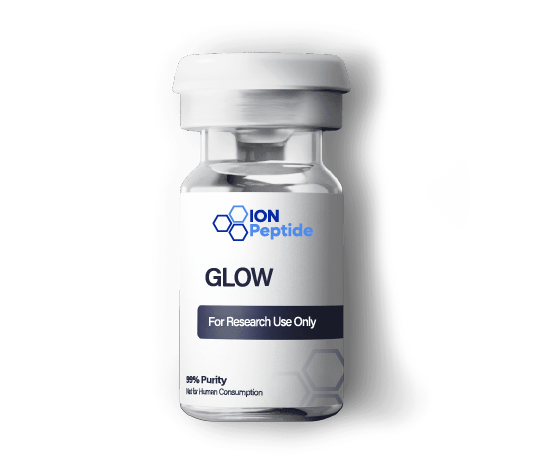
Peptide compounds have emerged as a significant focus within the scientific community for their diverse roles in biological processes. Their unique ability to influence various physiological functions makes peptides invaluable in fields ranging from biotechnology to medicine. This article delves into the fascinating world of peptides, exploring their properties, applications, and the future of peptide research. One notable compound to consider in this exploration is GLOW, which represents the innovative potential of peptide science.
What Are Peptide Compounds?
Peptides are short chains of amino acids linked by peptide bonds. They are the building blocks of proteins and serve as crucial signaling molecules in the body. Unlike proteins, peptides typically consist of 2 to 50 amino acids, which grant them unique properties and functions. Peptides are involved in numerous biological processes, including hormone regulation, immune response, and cellular signaling.
Types of Peptides and Their Functions
Peptides come in various forms, each serving distinct functions:
- Hormonal Peptides: These peptides can regulate physiological activities. Insulin, for instance, plays a vital role in glucose metabolism.
- Neurotransmitter Peptides: These operate within the nervous system, like endorphins, which help modulate pain and stress.
- Signaling Peptides: These are involved in cell signaling pathways, facilitating communication between cells.
- Antimicrobial Peptides: They act as a defense mechanism against pathogens, contributing to the body’s immune response.
- Peptide Therapeutics: These are developed for specific medical treatments, offering targeted effects with fewer side effects than traditional drugs.
The Role of Peptides in Health
Peptides are fundamental to maintaining health and are gaining attention for their therapeutic potential. They contribute to tissue repair, muscle growth, and the modulation of immune responses. For example, growth hormone-releasing peptides can stimulate growth and healing, while various peptides have been studied for their anti-aging effects. Overall, the versatility of peptides positions them as crucial players in health maintenance and disease prevention.
How Peptide Compounds Work
Mechanisms of Action
Understanding how peptide compounds act within the body is critical for their application in therapies. Peptides typically function through receptor-mediated mechanisms. Upon binding to specific receptors on target cells, they trigger various intracellular processes that lead to physiological responses. Hormonal peptides like glucagon, for instance, activate pathways that increase blood glucose levels in response to low energy availability.
Interaction with Biological Systems
Peptides interact extensively with biological systems. Their unique sequences and structures allow them to evolve specialized roles, enabling complex biological interactions. This complexity facilitates their function as regulators of cellular processes, such as apoptosis (programmed cell death) and cellular differentiation. Additionally, many peptides exhibit biological activity even at low concentrations, underscoring their efficiency.
Benefits of Peptide Research
Research into peptide compounds offers numerous benefits, including the development of new therapeutics that can address unmet medical needs. Peptide-drug conjugates, for instance, can enhance drug delivery systems by ensuring active ingredients target specific cells, thereby minimizing side effects. Furthermore, advances in peptide synthesis are driving innovation in fields like vaccine development, cancer treatment, and regenerative medicine, positioning peptides at the forefront of modern health solutions.
Applications of Peptide Compounds in Medicine
Current Therapeutic Uses
Peptide compounds currently find application in various therapeutic areas:
- Diabetes Management: Insulin peptides are critical for managing blood sugar levels in diabetic patients.
- Cancer Treatment: Some peptides can target cancer cells specifically, enhancing the efficacy of chemotherapy.
- Cardiovascular Health: Certain peptides have shown potential in cardiac protection and regeneration, holding promise for heart disease treatments.
Potential Future Applications
Looking ahead, the potential applications of peptides in medicine are vast. For instance, the development of peptide-based vaccines shows promise in addressing infectious diseases and cancer immunotherapy. Additionally, advances in genetic engineering may allow for the creation of tailored peptides that precisely interact with specific pathways, leading to breakthrough treatments for complex conditions like neurodegenerative diseases.
Challenges in Peptide Research
Despite their promising applications, peptide research faces several challenges. Stability and delivery are significant concerns, as peptides tend to be sensitive to degradation in biological environments. Effective delivery methods must be developed to ensure that therapeutic peptides reach their intended targets. Furthermore, regulatory hurdles can slow down the introduction of new peptide therapies, necessitating rigorous safety and efficacy testing.
Studying Peptide Compounds Effectively
Laboratory Techniques for Peptide Research
Various laboratory techniques are employed in peptide research to understand their properties and potential applications. Common methods include:
- Mass Spectrometry: Used for peptide identification and characterization, allowing researchers to determine the mass and structure of peptide compounds.
- High-Performance Liquid Chromatography (HPLC): Essential for purifying and analyzing peptides based on their chemical properties.
- Nuclear Magnetic Resonance (NMR): Provides insights into the three-dimensional structures of peptides in solution.
Safety Measures in Peptide Studies
When studying peptide compounds, safety measures are paramount. Proper laboratory protocols must be established to ensure the responsible handling of potentially hazardous materials. Personal protective equipment (PPE) such as gloves, goggles, and lab coats should be mandatory, and biosafety cabinets may be required for handling certain substances. Regular training sessions should also be conducted to keep the research team updated on best practices.
Best Practices for Experimentation
Adopting best practices in peptide research ensures reliable and reproducible results. Critical steps include thorough documentation of experimental procedures, regular calibration of equipment, and stringent data analysis protocols. Moreover, collaborating with interdisciplinary teams can foster a rich environment for innovation and problem-solving. Establishing clear communication among scientists from diverse fields can enhance understanding and facilitate breakthroughs.
Future Trends in Peptide Research
Innovations on the Horizon
The field of peptide research is rapidly evolving, with exciting innovations on the horizon. Tailored peptides designed through artificial intelligence and machine learning algorithms promise to streamline the drug discovery process. Such innovations may allow for the rapid identification of effective peptide sequences for treating various diseases, significantly reducing the time and cost involved in traditional drug development.
Collaborative Research Opportunities
Future advancements in peptide research will likely hinge on collaborative efforts across disciplines. Partnership among academic institutions, pharmaceutical companies, and biotechnology firms could foster knowledge exchange and resource sharing, accelerating innovation. Moreover, public-private partnerships can facilitate the translation of basic research into clinical applications, bridging the gap between the lab and patient care.
Impact on The Scientific Community
As peptide research progresses, its impact on the scientific community will be profound. Increased understanding of peptide mechanisms can lead to breakthroughs in treating chronic and rare diseases. Furthermore, the knowledge gained from peptide studies may inform personalized medicine approaches, paving the way for therapies tailored to individual genetic profiles. This adaptability could revolutionize patient care, making it more effective and individualized.
FAQs about Peptides
What is a peptide?
A peptide is a short chain of amino acids connected by peptide bonds, active in various biological functions and processes in the body.
How are peptides used in medicine?
Peptides are utilized in therapeutic applications like hormone replacement therapy, cancer treatment, and managing metabolic disorders.
Are there any side effects of peptide therapy?
Side effects may vary based on the peptide used, but they can include allergic reactions, injection site pain, dehydration, or metabolic disturbances.
What are peptide-based vaccines?
Peptide-based vaccines use specific peptide sequences from pathogens to stimulate an immune response, providing targeted protection against infectious diseases.
How is peptide research advancing?
Peptide research is advancing through computational methods, innovative synthesis techniques, and collaborative efforts that are broadening therapeutic possibilities.