

Introduction to the Sandakphu Trek
Overview of the Trek
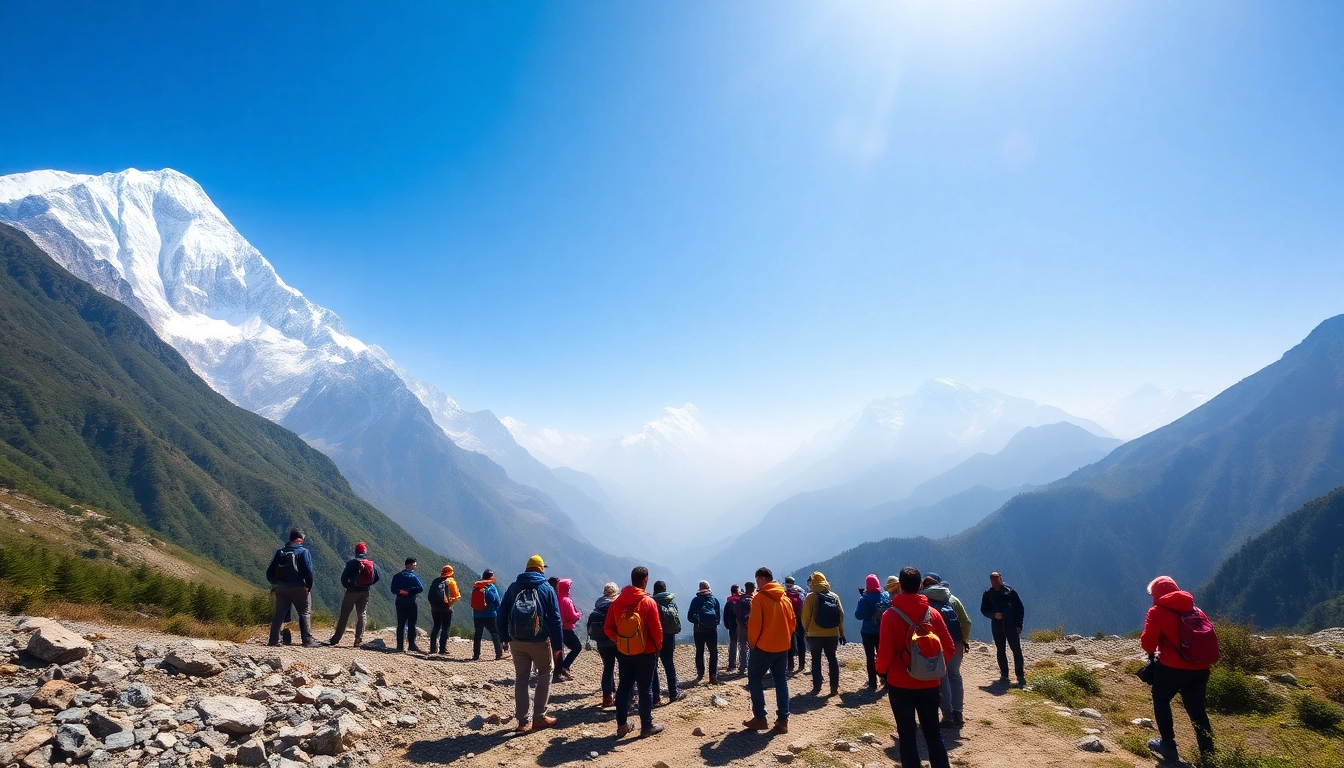
The sandakphu trek is one of the most sought-after trekking routes in India, renowned for its awe-inspiring views and challenging terrains. Situated in the majestic Himalayas, this trek takes you to the highest point in West Bengal, at an elevation of approximately 3,636 meters (11,929 feet). It is ideal for trekkers who seek adventure mixed with the opportunity to behold stunning vistas of towering peaks including Mount Everest, Kanchenjunga, Lhotse, and Makalu. The trek spans about 50 kilometers (31 miles) and usually takes around 6 days to complete, offering a perfect blend of nature and culture along the way.
Historical Background
The history of the Sandakphu trek dates back to its strategic importance during the British colonial era. The trails were first established to connect Darjeeling with the neighboring regions and serve as observation points for military activities. Over time, it evolved from a military route to a popular trekking path for adventure enthusiasts. The area is steeped in cultural significance, being home to the Sherpa and Rai communities who have a rich heritage intertwined with nature and spirituality.
Importance of the Sandakphu Trek
Beyond its breathtaking landscapes, the Sandakphu trek is significant for its ecological diversity and cultural richness. It traverses through the Singalila National Park, famed for its unique flora and fauna, including rare species like the Red Panda. Trekking here offers not just exhilarating views, but also a chance to experience the coexistence of nature and local traditions as you pass through quaint villages, attend local festivals, and engage with the hospitable inhabitants.
Planning Your Sandakphu Trek
Best Times to Visit
The ideal months for embarking on the Sandakphu trek are March to May during spring, and September to November during autumn. In spring, wildflowers bloom, painting the landscape in vibrant colors, while autumn provides clear skies perfect for photography. Monsoon (June to August) can make the trails slippery and challenging, whereas the winter months (December to February) are usually too harsh for trekking.
Essential Packing List
When preparing for the Sandakphu trek, a well-thought-out packing list is crucial to ensure a safe and enjoyable experience. Essential items include:
- Clothing: Layered clothing (thermal wear, trekking trousers, and waterproof jacket), warm gloves, woolen hat.
- Shoes: Sturdy trekking boots with good ankle support.
- Camping Gear: Tent, sleeping bag, and mat (if not provided by a trekking company).
- Health Supplies: Personal medications, first aid kit, water purification tablets.
- Navigation Tools: Map, compass, and GPS device.
Packing light but comprehensive gear is essential to ensure mobility without compromising safety.
Travel Arrangements for Sandakphu Trek
Reaching the start point of the Sandakphu trek involves several travel arrangements, usually beginning from Kolkata or Bagdogra. From there, trekkers typically travel to Darjeeling by road, which serves as the gateway to the Sandakphu trek. The journey involves taking shared taxis or buses to the initial stamping ground of Manebhanjan, where the trek begins. Furthermore, hiring local guides or joining organized trekking groups can facilitate logistics and enhance your experience, ensuring that you are well-acquainted with the local culture and environment along the way.
Understanding the Terrain
Route Overview and Highlights
The initial phase of the Sandakphu trek is relatively gradual, allowing trekkers to acclimatize to the increasing altitude. Key highlights of the trek include:
- Manebhanjan: The starting point, offering panoramic views and rich cultural exposure.
- Chitrey: A beautiful village that introduces trekkers to the local community.
- Sandakphu: The highest point offering breathtaking 360-degree views of the Himalayan range.
- Phalut: Known as “The Sleeping Buddha,” providing stunning sunset views.
Each section of the trail offers its own unique experiences with varying levels of difficulty, perfect for well-rounded trekking experiences.
Difficulty Level of the Trek
The Sandakphu trek is rated as moderate, making it suitable for trekkers with a reasonable level of fitness. While certain sections present steep ascents and descents, most parts of the trail are manageable. Proper acclimatization is vital to avoid altitude sickness and ensure a favorable trek experience. Regular training months prior to the trek can help enhance endurance and stamina.
Local Flora and Fauna
The ecological significance of the Sandakphu trek is unparalleled, situated within the Singalila National Park. The trekking route is rich in biodiversity, hosting various species of rhododendrons, pines, and magnolia trees. Wildlife enthusiasts can spot rare animals such as the Red Panda, Himalayan Black Bear, and numerous bird species like the Himalayan Monal and various pheasants. Understanding the local biodiversity enhances the trekking experience significantly, offering a deeper appreciation of nature.
Safety Tips for Trekkers
Preparing for Weather Conditions
The weather in the mountains can be unpredictable; thus, it is crucial to prepare accordingly. Trekkers should check forecasts prior to embarking and remain adaptable to sudden changes in conditions. Carrying layered clothing helps manage temperatures effectively. A waterproof jacket and gaiters are recommended, especially during the spring and autumn months, which can witness unexpected rain.
Staying Safe on the Trail
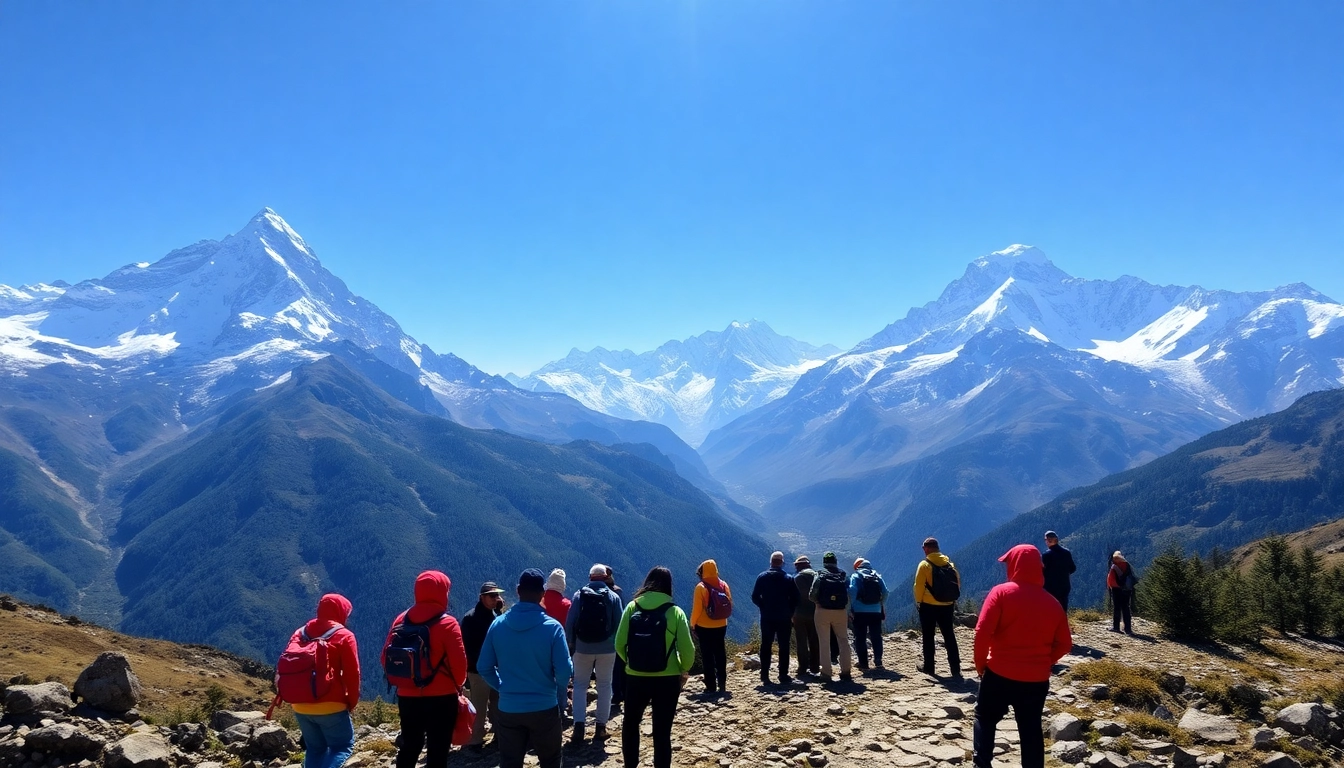
Staying safe during the trek requires attention and preparedness. Here are important tips:
- Always trek with a companion or a group; isolation can be dangerous.
- Stay hydrated but do not over-exert yourself. Take regular breaks.
- Use trekking poles to assist with balance on rugged terrain.
- Inform someone of your trekking route and expected return time.
Being conscious of safety improves not only the comfort of your trek but your overall enjoyment.
Health Tips During the Trek
Pmaintaining good health during the Sandakphu trek is essential. Keep the following health tips in mind:
- Acclimatize properly to avoid altitude sickness; take it slow.
- Consume high-carb snacks and hydrate regularly to maintain energy levels.
- Listen to your body; do not hesitate to ask for help if you feel unwell.
- Consider a comprehensive travel insurance policy that covers trekking activities.
Regular health check-ups ahead of your trek is advisable to ensure fitness.
Frequently Asked Questions about the Sandakphu Trek
How difficult is the Sandakphu trek?
The Sandakphu trek is considered moderate in terms of difficulty. While most of the trail is manageable, there are specific sections with steep inclines that can test your endurance.
What is the best time for the Sandakphu trek?
The best time to undertake the Sandakphu trek is during March to May and September to November. These months provide the most favorable weather with clear skies and stunning views.
Can beginners easily complete the Sandakphu trek?
Yes, beginners who are in good physical shape can complete the Sandakphu trek. However, it’s essential to be prepared for some challenging sections and practice prior to the trek.
Are there guided tours available for the Sandakphu trek?
Yes, numerous trekking companies offer guided tours for the Sandakphu trek, which help manage logistics and provide local insights. Engaging a guide can greatly enhance your experience.
What makes the Sandakphu trek unique?
The Sandakphu trek is unique due to its breathtaking views of four of the world’s highest peaks, cultural richness from local communities, and diverse flora and fauna in the Singalila National Park.