

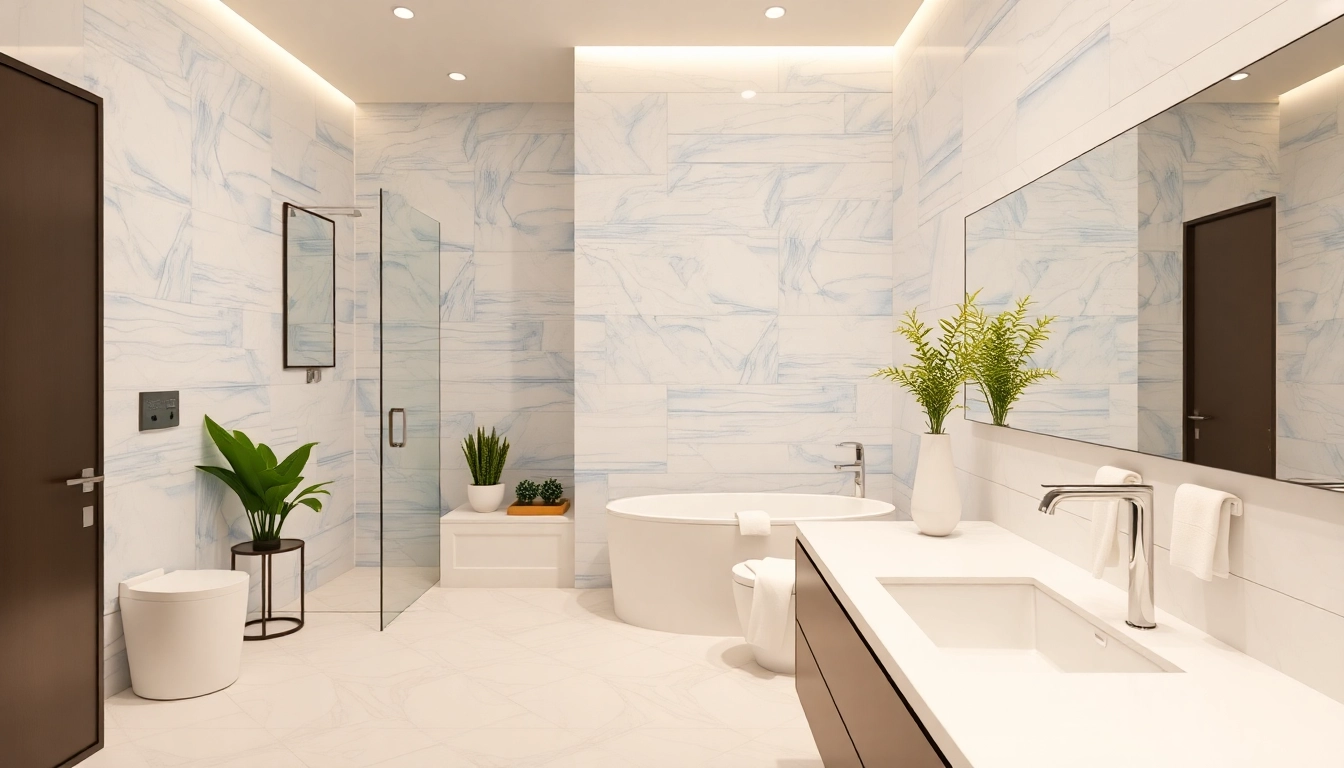
Understanding the Basics of Bathroom Remodelling
What is Bathroom Remodelling?
Bathroom remodelling refers to the process of renovating an existing bathroom to improve its functionality, aesthetics, and overall appeal. This can range from simple updates, such as changing fixtures and fittings, to complete overhauls that involve reconfiguring the layout, installing new tiles, and upgrading plumbing and electrical systems. A thoughtful bathroom remodelling project can transform a mundane space into a relaxing sanctuary.
Benefits of Bathroom Remodelling
The benefits of bathroom remodelling extend beyond visual enhancements. They include:
- Increased Home Value: A well-designed bathroom remodel can significantly boost your home’s marketability and value.
- Improved Functionality: Upgrading fixtures and layout can enhance how the space is used, making it more efficient for daily routines.
- Energy Efficiency: Modern fixtures often use less water and electricity, leading to reduced utility costs.
- Aesthetic Appeal: A fresh design can provide a spa-like atmosphere, enhancing relaxation during use.
- Safety Updates: Installing new flooring or anti-slip tiles can make an old bathroom safer, particularly for children and the elderly.
Key Considerations Before You Start
Before diving into a bathroom remodelling project, there are several key considerations to keep in mind:
- Scope of Work: Determine whether the project is a minor update or a major renovation that requires extensive work.
- Timeline: Consider the schedule and any potential disruptions to daily life during the remodelling process.
- Budget: Establish a realistic budget that factors in all costs, including materials, labor, and unforeseen expenses.
- Design Style: Select a cohesive design style that complements the rest of your home.
- Permits and Regulations: Check local building codes to ensure compliance with regulations for renovations.
Planning Your Bathroom Remodelling
How to Create a Budget
Creating a budget for your bathroom remodelling project is crucial to ensure you stay within financial limits. Start by outlining all potential costs including materials, labor, permits, and a contingency fund for unexpected expenses. A typical budget breakdown could look like this:
- Labor Costs: 30-50% of your budget.
- Fixtures and Fittings: 20-30% of your budget.
- Materials: 20% of your budget.
- Contingency Fund: 10% of your budget for unexpected costs.
Choosing a Design Style
Selecting a design style is a vital step in your bathroom remodelling project. Common styles include:
- Modern: Characterized by clean lines and minimalist features, often with high-tech accents.
- Traditional: Features classic elements such as ornate cabinetry and vintage fixtures.
- Rustic: Utilizes natural materials like wood and stone, creating a warm, cozy atmosphere.
- Contemporary: Focuses on current design trends and integrates innovative materials.
- Spa Inspired: Aims to create a serene environment with calming colors and luxurious features.
Essential Tools and Materials Needed
A successful bathroom remodel requires various tools and materials. Essential tools include:
- Measuring tape
- Saw
- Drill
- Screwdriver set
- Level
- Tile cutter
Materials may include tiles, paint, cabinetry, lighting fixtures, sinks, and faucets. It is essential to select quality materials that fit your budget while ensuring longevity and durability.
Executing Your Bathroom Remodelling
Demolition and Preparation Steps
The demolition phase is often the messiest but essential part of remodelling. Start by removing old fixtures, such as toilets, sinks, and cabinets. Ensure to turn off water supply and electricity before beginning the demolition process. Protective gear such as gloves, goggles, and masks are vital for safety during this stage.
Once demolition is complete, prepare the space by addressing any plumbing or electrical issues that need to be fixed before proceeding with installation.
Electrical and Plumbing Considerations
Electrical and plumbing considerations are paramount for a successful bathroom remodelling. Consult with licensed professionals for any modifications to electrical wiring or plumbing systems. Key points to consider include:
- Relocating existing plumbing lines or electrical fixtures if changing the layout.
- Installing GFCI outlets in wet areas to ensure safety.
- Ensuring all plumbing connections are watertight to prevent leaks.
How to Install Fixtures and Finishes
Once the space is prepared, you can begin installing fixtures and finishes. This includes placing the toilet, sink, bathtub or shower, and cabinetry. Here’s a brief guide on what to consider:
- Vanity Installation: Secure it to the wall and ensure plumbing connects properly.
- Shower and Bathtub: Follow manufacturer instructions closely for proper sealing and support.
- Lighting: Install lighting fixtures considering both functional needs and ambiance.
- Finishing Touches: Paint walls, add mirrors, and decorate with accessories to achieve your desired aesthetic.
Common Challenges in Bathroom Remodelling
Managing Unexpected Costs
Even the best-planned bathroom remodelling projects can encounter unexpected costs. To mitigate this risk, always allocate 10-20% of your budget for contingencies. Consider potential issues that can arise, such as hidden water damage or outdated plumbing, and consult experts during the planning phase to minimize surprises.
Dealing with Space Limitations
In smaller bathrooms, maximizing space is critical. Incorporate space-saving solutions such as wall-mounted fixtures, corner sinks, and open shelving to create a more spacious feel. Utilizing light colors can also enhance the perception of space, making the bathroom appear larger than its actual dimensions.
Addressing Design Flaws
Design flaws can emerge as a project unfolds. This might include misaligned tiles or impractical fixture placements. To rectify these issues:
- Consult with Professionals: Having a designer or contractor can provide valuable insights during the implementation phase.
- Stay Flexible: Be open to adjustments and changes in design based on feedback from your contractor.
Frequently Asked Questions About Bathroom Remodelling
How long does bathroom remodelling typically take?
The duration depends on the project scope, but most remodelling projects take 2-4 weeks, from demolition to finishing touches. Specific timeframes can vary based on the complexity of renovations.
What are current trends in bathroom remodelling?
Current trends include maximalist decor, integrating smart technology for convenience, and opting for eco-friendly materials that enhance sustainability without compromising style.
Can I do a bathroom remodelling on a budget?
Yes, prioritizing essential updates and selecting affordable materials allow you to achieve an impressive remodel without breaking the bank. Creative DIY projects can also save costs.
What permits may be required for bathroom remodelling?
Permitting varies by location, but typically, any significant plumbing or electrical work requires permits. Always check local regulations to ensure compliance during your renovation.
How do I choose the right contractor?
Research contractors thoroughly by checking reviews and references. Ensure the contractor is properly licensed and insured and have a clear understanding of your vision and budget before signing a contract.