

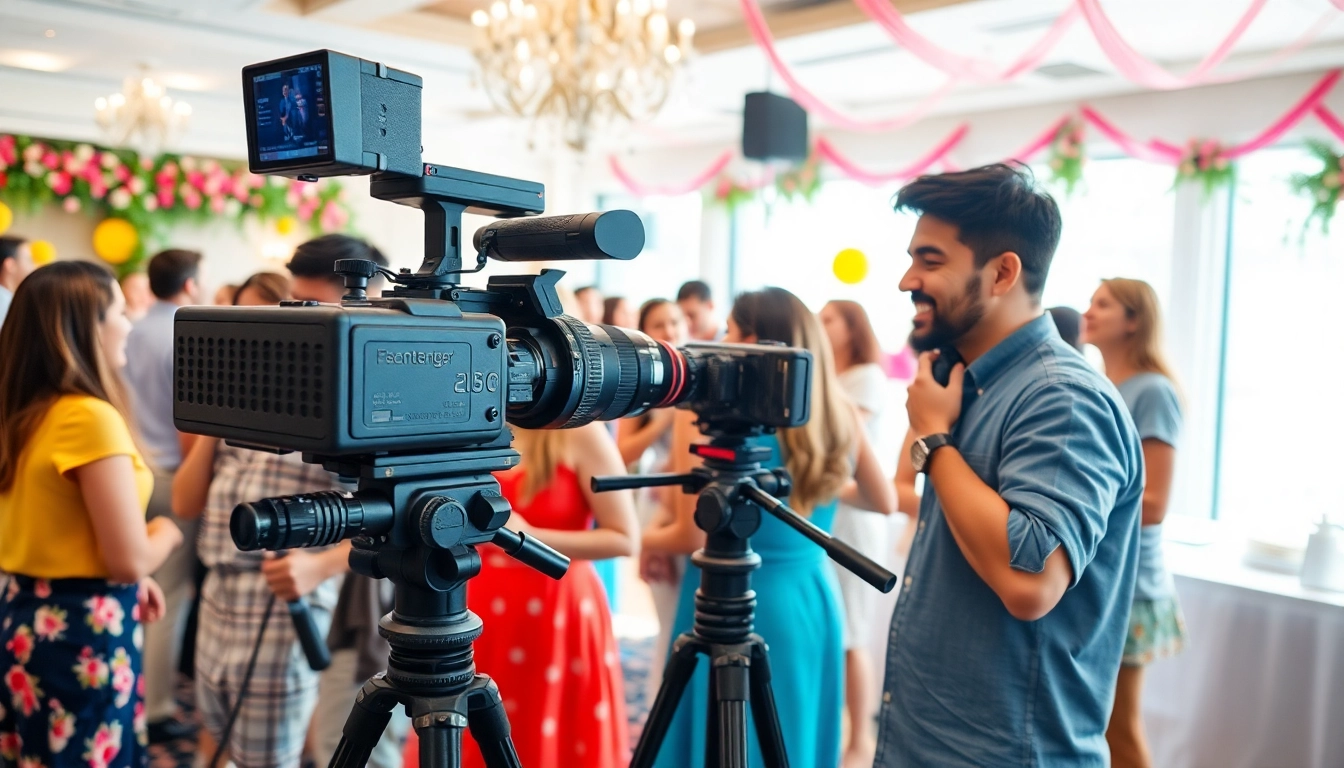
Understanding Event Videography
What is Event Videography?
Event videography is the art of capturing live events on video, using professional equipment and techniques to document moments as they unfold. Unlike traditional photography, which freezes moments in time, videography allows for a dynamic retelling of events, providing a more immersive experience for viewers. From weddings to corporate functions, Event videography plays a crucial role in preserving memories that can be cherished for years to come.
The Importance of Event Videography
Event videography is important for several reasons. First, it captures details and nuances that photographs may miss. The sound of laughter, the joy of speeches, and the ambiance all contribute to the story of an event, which is best conveyed through video. Additionally, videos serve as a means of nostalgia. They allow couples to relive their wedding day, companies to showcase their team-building retreats, and families to return to cherished celebrations. Ultimately, event videography provides a lasting digital keepsake that captures the essence of a moment.
Common Types of Events Captured
Event videography encompasses a variety of occasions, each requiring tailored approaches. Common types of events include:
- Weddings: A significant life milestone that often receives extensive videography to document every detail.
- Corporate Events: Conferences, seminars, and team-building events, which benefit from capturing presentations, networking, and activities.
- Birthday Parties: Celebrating milestone birthdays with personalized videos that include speeches, toasts, and party highlights.
- Festivals and Concerts: Large gatherings that thrive on dynamic footage to capture the energy and audience interactions.
- Sporting Events: Documenting competitions and games, offering both play-by-play footage and behind-the-scenes commentary.
Essential Equipment for Event Videography
Choosing the Right Camera
Choosing the right camera is crucial for effective event videography. Popular choices among videographers include DSLRs and mirrorless cameras due to their versatility and image quality. When selecting a camera, look for one that offers excellent low-light performance as many events occur in various lighting conditions. Additionally, features such as interchangeable lenses and the ability to shoot in 4K can enhance your final product considerably.
Microphones and Audio Gear Essentials
Audio quality can significantly impact the overall perception of the video. Utilizing quality microphones is essential. Lavalier mics are perfect for capturing clear audio from speakers at events, while shotgun mics can capture ambient sounds. Additionally, consider using portable audio recorders to ensure redundancy in case of battery failures or sound issues.
Lighting Equipment for Various Settings
Lighting is an essential component of videography. Different events may require different lighting setups. Natural light can work wonders during outdoor events; however, indoor events benefit from the addition of softbox lights or LED panels to avoid harsh shadows. It’s crucial to test lighting conditions in advance to ensure that the final video captures the intended mood and ambiance.
Planning Your Event Videography Shoot
Pre-Event Consultation and Coordination
A successful event videography shoot begins with thorough planning. Engaging in a pre-event consultation allows videographers to understand their client’s vision and the specifics of the event. Effective communication regarding the event schedule, expectations, and key moments to capture ensures that nothing is overlooked on the day of the shoot.
Creating a Storyboard for Capturing Moments
Storyboarding can significantly enhance the workflow of an event videography project. A storyboard is a visual representation of how the video will unfold, allowing videographers to plan their shots accordingly. This includes identifying specific moments, such as speeches, cake cutting, and guest interactions, ensuring that all significant elements are captured artistically.
Understanding Event Timelines and Key Moments
Having a comprehensive understanding of the event timeline is vital. This knowledge helps videographers anticipate key moments that should be prioritized. By coordinating with event planners, recognizing schedule factors, and having contingencies, videographers can make necessary adjustments in real-time to ensure they get the best footage possible.
Techniques for Capturing Dynamic Footage
Camera Angles and Movement Strategies
Utilizing various camera angles and movements can significantly enhance the visual quality of the video. For instance, wide shots establish context, while close-ups draw attention to emotions. Incorporating movements such as pans, tilts, and even handheld shots can create a more dynamic viewing experience. Tools like gimbals and sliders can assist in achieving smooth footage even in crowded environments.
Effective Interviewing Techniques
Interviews can provide personal insights and emotional connections to the event. To conduct effective interviews, it is crucial to prepare open-ended questions that encourage interviewees to share their thoughts and feelings genuinely. Creating a comfortable atmosphere and positioning the camera at eye level can help interviewees feel at ease, resulting in more authentic responses.
Engaging with Guests for Authentic Moments
Capturing authentic moments often requires a level of interaction with the guests. Conducting informal conversations and interactions can produce genuine reactions and candid moments filled with emotion. Videographers should remain unobtrusive yet approachable, ensuring that guests are comfortable enough to be themselves, capturing the essence of the event as it unfolds.
Post-Production and Final Edits
Editing Software Options for Event Videography
Post-production is where videography truly comes to life. Popular editing software options include Adobe Premiere Pro, Final Cut Pro, and DaVinci Resolve, all of which provide professional editing capabilities. Each software comes with unique features tailored for video editing that can streamline your workflow while enhancing the final product.
Crafting the Final Video Narrative
Creating a cohesive narrative is fundamental in editing event videos. Selecting the best shots and stitching them together to tell a story is essential. Incorporating elements like music, voiceovers, and graphics can help elevate the video’s impact. It’s crucial to balance entertainment with a clear structure to keep viewers engaged throughout the entire length of the video.
Promoting Your Event Videography Work
Promotion plays a vital role in the success of an event videographer. Building a strong portfolio website showcasing previous work, client testimonials, and highlighting unique services can attract potential clients. Leveraging social media platforms, attending networking events, and collaborating with other event professionals can significantly boost visibility in the competitive market.
Frequently Asked Questions
What is Event Videography?
Event videography focuses on capturing events like weddings, corporate gatherings, and celebrations through video to preserve memories.
What equipment is essential for Event Videography?
Key equipment includes a quality camera, microphones for clear audio, and good lighting to enhance the captured footage.
How do I plan for an Event Videography shoot?
Planning involves consulting with clients, establishing timelines, and identifying key moments to capture before the event.
What techniques improve my Event Videography?
Using varied camera angles, engaging guests for genuine reactions, and employing good lighting can enhance the quality of your footage.
How do I promote my Event Videography services?
Share your portfolio on social media, create a professional website, and network within event planning communities to gain visibility.