

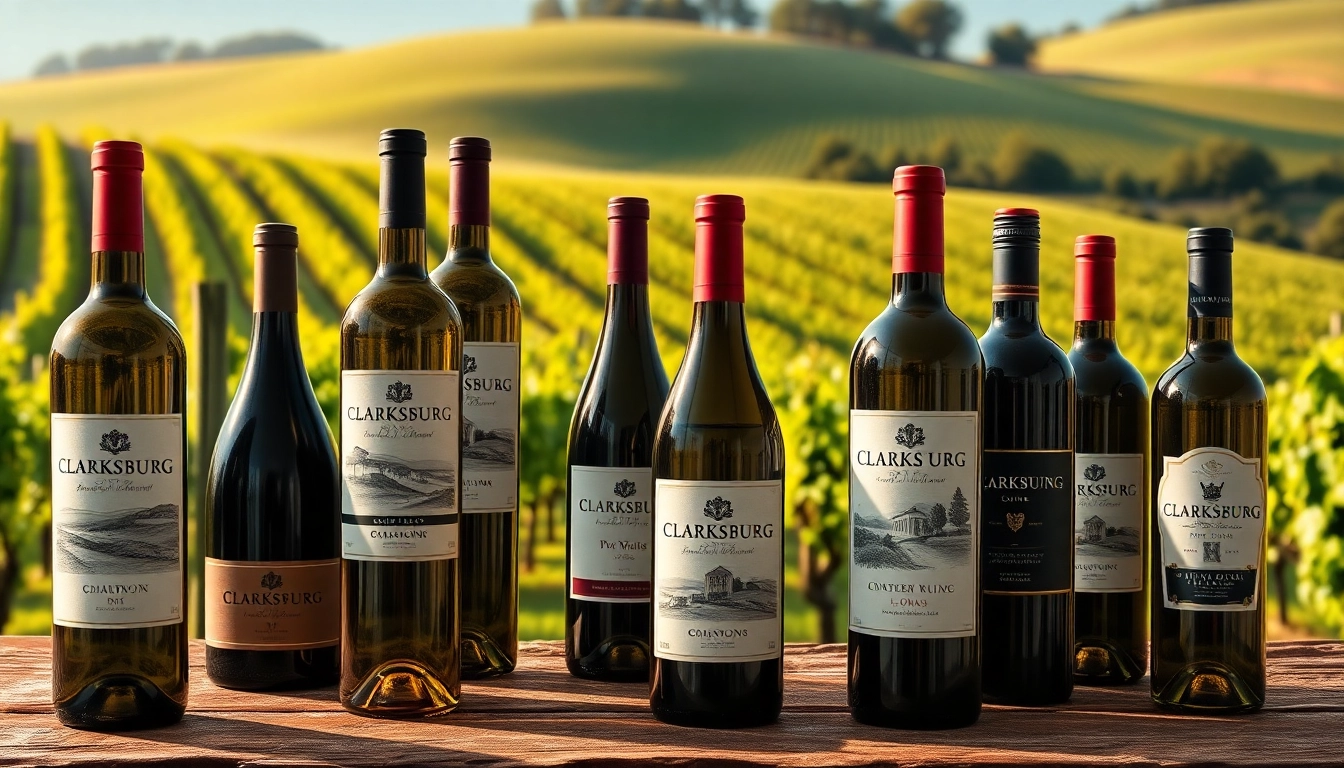
Introduction to Clarksburg Wines
Nestled in the picturesque landscapes of California’s Sacramento River Delta, Clarksburg is a region dedicated to producing wines of exceptional quality. With its unique terroir, diverse grape varieties, and innovative winemaking techniques, Clarksburg wines have become a hidden gem for wine enthusiasts. This article will explore the distinctive characteristics of Clarksburg’s wine industry, popular varietals, food pairings, as well as tips for visiting its charming wineries.
The Unique Terroir of Clarksburg
The terroir of Clarksburg plays a vital role in shaping its wines. Comprised of a combination of sandy loam and clay soils, the region’s unique geology contributes to the high quality of the grapes. The climate here is characterized by hot days and cool evenings, a diurnal temperature shift that allows grapes to develop a range of flavors while retaining their natural acidity. This environment promotes the growth of robust and flavorful grapes, essential for producing high-quality wines.
The proximity to the Sacramento River further enhances the terroir by providing a moderating influence on temperatures. The proximity to water not only regulates temperature variations but also plays a role in the region’s humidity, providing ideal conditions for vineyards to thrive. As a result, winemakers in Clarksburg can craft wines that express the true essence of their environment.
Grape Varieties Grown in Clarksburg
Clarksburg is known for its diversity of grape varieties, making it a dynamic player in the California wine scene. The region predominantly cultivates varieties such as Chardonnay and Cabernet Sauvignon, but it is not limited to these classic choices. Other notable varietals include Merlot, Pinot Grigio, and Sauvignon Blanc, each contributing to the tapestry of flavors found in Clarksburg wines.
Chardonnay, often considered Clarksburg’s flagship varietal, exhibits a range of styles from crisp and refreshing to rich and buttery. In contrast, the Cabernet Sauvignon produced here is renowned for its bold flavors and structured tannins, showcasing the region’s potential for producing full-bodied red wines. Furthermore, the rise of lesser-known varietals is gaining traction, as winemakers experiment and innovate to capture the essence of Clarksburg’s unique terroir.
The Winemaking Process Explained
The winemaking process in Clarksburg reflects both tradition and innovation. It begins with meticulous vineyard management, focusing on sustainable practices such as cover cropping and controlled irrigation to promote vine health and soil vitality. Once grapes are harvested, winemakers typically employ both traditional and modern techniques tailored to each varietal.
For white wines, Chardonnay grapes are often gently pressed and then fermented at cool temperatures to preserve their fresh fruit character. Some winemakers also choose to ferment in oak barrels to add complexity and depth. In contrast, Cabernet Sauvignon undergoes a maceration process to extract color and tannins, followed by fermentation in stainless steel or oak. The careful aging and blending process ensures that each wine captures the essence of Clarksburg, allowing its natural flavors to shine through.
Popular Clarksburg Wine Varietals
Chardonnay from Clarksburg
Clarksburg Chardonnay has garnered acclaim for its vibrant acidity and diverse flavor profiles. The region’s cool evenings help create a balance of sugar and acidity in the grapes, yielding wines that can be both refreshing and rich. Whether it’s a crisp, unoaked version showcasing citrus and apple notes or a more complex, oaked Chardonnay exhibiting buttery vanilla and toasted oak, Clarksburg has something to satisfy every palate.
Critics note that the versatility of Clarksburg Chardonnay makes it suitable for a variety of occasions, from casual gatherings to formal dinners. Its food-friendly nature allows it to pair beautifully with seafood, chicken dishes, and even creamy pastas.
Cabernet Sauvignon: A Clarksburg Signature
Cabernet Sauvignon represents the bold spirit of Clarksburg wines, exhibiting powerful flavors and firm tannins. The region’s warm days enable the grapes to ripen fully, developing rich flavors of dark fruit, chocolate, and spice. Clarksburg Cabernet Sauvignon often showcases a degree of complexity, with notes of blackberry, plum, and hints of cedar or tobacco.
The structured tannins and balanced acidity make these wines highly suitable for aging, often evolving into richer and more nuanced profiles over time. Perfect for red meat pairings, this varietal shines with grilled steaks, hearty stews, or even dark chocolate desserts.
Lesser-Known Gems of Clarksburg Wines
While Chardonnay and Cabernet Sauvignon take the spotlight, Clarksburg is also home to a variety of lesser-known gems that deserve recognition. The region’s growing interest in varietals like Viognier, Grenache, and Tempranillo speaks to winemakers’ adventurous spirit.
Viognier, with its fragrant floral notes and stone fruit flavors, provides a refreshing alternative for those seeking a unique white wine experience. Meanwhile, Grenache, often vibrant and juicy, can be blended to create stunning rosés or crafted into single-varietal reds that offer a lighter yet flavorful experience. Tempranillo has also started to make its mark, boasting earthy undertones and bright berry flavors, perfect for those looking for wines that offer a taste of Spain in California.
Pairing Clarksburg Wines with Food
Ideal Meals for Clarksburg Chardonnay
When it comes to pairing food with Clarksburg Chardonnay, the possibilities are extensive. Fresh seafood dishes, such as grilled salmon or shrimp ceviche, complement the winery’s crisp and zesty Chardonnays. For something richer, consider serving it alongside roasted chicken with herbs or creamy risotto that accentuates both the wine’s acidity and moderate oak influences.
Savory dishes like scallops in garlic butter or even a classic Caesar salad provide delightful accompaniments, allowing the wine’s bright character to shine through while balancing the richness of the food.
Complementing Clarksburg Cabernet Sauvignon
Clarksburg Cabernet Sauvignon pairs beautifully with heartier dishes. Classic combinations, such as grilled ribeye steak or slow-braised short ribs, highlight the wine’s rich flavor profile and structured tannins. For vegetarian options, try robust mushroom dishes or a vegetable shepherd’s pie, as the earthiness of the ingredients mirrors the wine’s depth.
Furthermore, don’t hesitate to pair Clarksburg Cabernet Sauvignon with aged cheeses like sharp cheddar or blue cheese, as the two complement each other’s bold characteristics seamlessly.
Creative Pairings with Other Varietals
A trip to Clarksburg would be incomplete without experimenting with other varietals. For Viognier, think lighter pairs such as Asian dishes, fresh salads, or a cheese platter featuring goat cheese. The diversity of flavors in Grenache allows it to shine with grilled meats or barbecue fare, while Tempranillo’s earthy notes match well with tapas or spicy chorizo.
The ability to explore these pairing options can elevate your culinary experiences and provide a fuller appreciation of how Clarksburg wines can complement different cuisines.
Visiting Clarksburg Wineries
Top Wineries to Experience
For those wanting to dive deeper into the world of Clarksburg wines, several top wineries offer exceptional tasting experiences. Visit family-owned establishments that convey stories of passion and dedication, where guests can learn about their unique winemaking techniques and taste their signature varietals. Guided tours often give insight into vineyard practices, while tastings allow visitors to savor multiple offerings under expert guidance.
Exploring Clarksburg’s diverse wineries is not just about sampling wines; it is also an immersion into the culture and community of winemaking. You never know; you might come across the next favorite wine that both surprises and delights.
Events and Festivals Celebrating Clarksburg Wines
Throughout the year, Clarksburg hosts a variety of events and festivals that celebrate its rich wine culture. These events usually feature local artisans, gourmet food vendors, and live music, creating a vibrant atmosphere for guests to enjoy. Wine tastings, classes, and vineyard tours during such festivals contribute to the overall experience, allowing participants to explore the diversity of Clarksburg wines.
Notably, the annual Clarksburg Wine Festival draws attention from wine lovers across the region, offering an opportunity to taste the best wines and learn from the winemakers themselves. Attending these events can enhance your appreciation for the craftsmanship that goes into each bottle of Clarksburg wine.
Tips for Planning Your Visit
When planning a trip to Clarksburg, it’s essential to consider a few key tips to enhance your experience. Start by checking winery hours and if reservations are required for tastings. Many wineries offer appointments to ensure an intimate experience.
Additionally, don’t hesitate to ask questions during tastings; the staff are always eager to share their knowledge. Lastly, explore nearby attractions, like scenic parks or waterfront activities, to round out your visit and allow for a comprehensive adventure within this enchanting region.
The Future of Clarksburg Wines
Trends Shaping the Clarksburg Wine Industry
As the Clarksburg wine scene continues to evolve, several trends are beginning to take shape. A rise in interest for organic and biodynamic farming practices is gaining momentum, as both producers and consumers become more conscious about the environmental impacts of viticulture. The adoption of technology in winemaking is another trend, with advances in precision agriculture and data analysis helping winemakers make more informed decisions regarding vineyard management and production.
Additionally, the emphasis on less common varietals supports the region’s unique identity and fosters a sense of innovation within the wine community. As Clarksburg’s profile continues to grow, enthusiasts can expect even more exciting developments in the future.
Sustainable Practices in Viticulture
Sustainability plays a crucial role in the future of Clarksburg wines, as local wineries implement practices aimed at preserving the environment while maintaining productivity. These sustainable practices include water conservation, soil composting, and integrated pest management, all contributing to healthier vines and higher-quality grapes.
Moreover, many wineries are transitioning to renewable energy resources for their operations. This commitment not only aids the environment but also positively impacts the overall quality of the wine produced. As consumers increasingly demand transparency in sourcing and production, proactive sustainability efforts position Clarksburg wines favorably in a competitive market.
How to Support Local Wineries
Supporting local wineries contributes to the health of the Clarksburg wine community. Consider purchasing wines directly from wineries during visits or through their websites, which often feature exclusive offerings. Participate in local wine events or festivals, and don’t hesitate to spread the word about your favorite discoveries on social media or within your circles.
Joining a wine club or subscribing to newsletters can also help nurture ongoing relationships with these wineries, ensuring you stay informed about future offerings and events. Your support not only helps sustain the local economy but also fosters a community driven by passion and craftsmanship.
Frequently Asked Questions about Clarksburg Wines
What makes Clarksburg wines unique?
Clarksburg wines stand out due to their unique terroir, diverse grape varieties, and a commitment to sustainable winemaking practices, resulting in exceptional flavor profiles and quality.
What grape varieties are common in Clarksburg?
Common grape varieties cultivated in Clarksburg include Chardonnay, Cabernet Sauvignon, Merlot, Sauvignon Blanc, and a selection of lesser-known varietals like Viognier and Tempranillo.
When is the best time to visit Clarksburg wineries?
The best time to visit Clarksburg wineries is during the spring and fall, when the weather is mild, and local festivals and events often occur, enhancing your experience.
Can I find organic wines in Clarksburg?
Yes, many wineries in Clarksburg are adopting organic and biodynamic practices, offering a range of wines made from organically grown grapes for health-conscious consumers.
How can I learn more about Clarksburg wines?
You can learn more about Clarksburg wines by visiting local wineries, attending wine tastings or festivals, and following wineries on social media to stay informed about new releases and events.
