

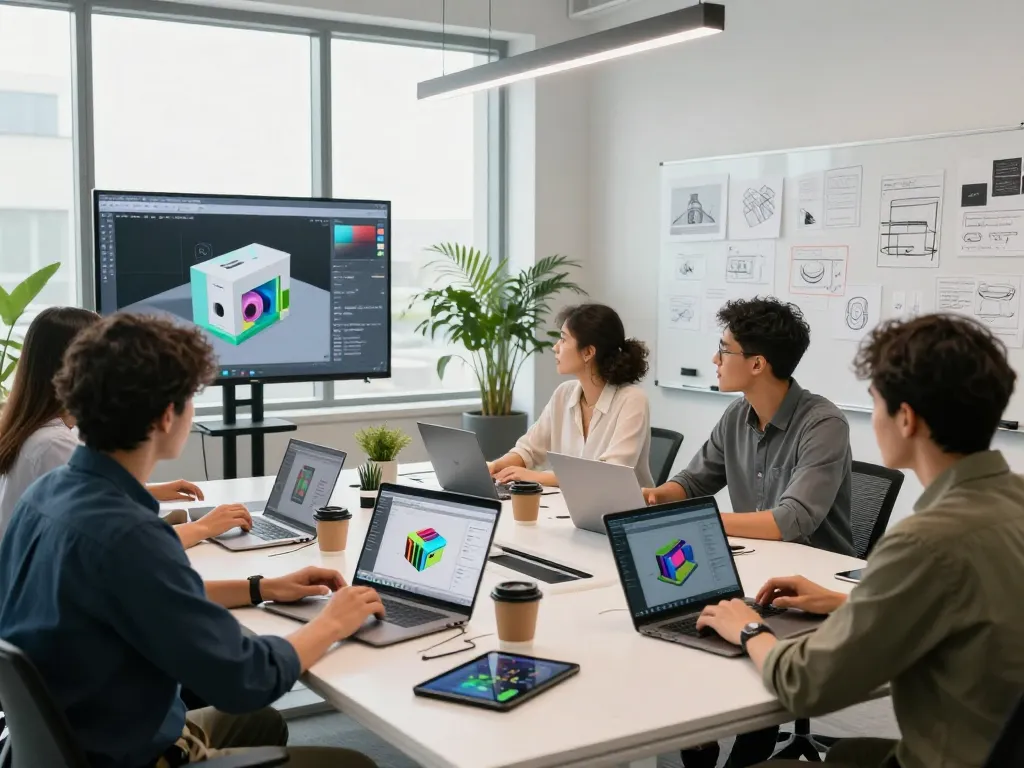
Understanding 3D Product Configurator Software
In today’s rapidly evolving digital landscape, businesses continually seek innovative ways to enhance customer experiences and streamline operations. Enter the realm of 3D product configurator software, a transformative tool that allows customers to visualize and customize products in real time. This technology empowers consumers to interact with products like never before, offering a tailored shopping experience that meets individual preferences and needs.
What is 3D Product Configurator Software?
3D product configurator software is a digital application that enables users to create and customize products in three dimensions. Utilizing advanced algorithms and rendering techniques, these configurators allow customers to manipulate various product attributes such as color, size, materials, and features. By providing a visual representation of customizations, these tools help bridge the gap between customer imagination and tangible product offerings.
Key Features of 3D Product Configurator Software
- Real-Time Visualization: Users can see changes as they make them, enhancing the decision-making process.
- Interactive User Interface: Intuitive controls allow for seamless navigation and adjustments.
- Product Options Configuration: Ability to select and alter various product components, including materials and finishes.
- Augmented Reality (AR) Integration: Users can visualize products in real-world settings through AR technology.
- Data Analytics: Collects user interactions and preferences, providing insights for marketing and product development.
Benefits of Implementing 3D Configurators in Business
Businesses leveraging 3D product configurator software see numerous advantages. These include increased customer satisfaction through personalized experiences, reduced returns due to better-informed purchasing decisions, and enhanced sales conversions as customers engage more with products. Moreover, 3D configurators can significantly cut down on production costs by minimizing the need for extensive product inventories and enabling a more agile response to market demands.
Choosing the Right 3D Product Configurator Software
When exploring options, 3D product configurator software solutions vary widely in capabilities and features, making it essential to choose one that aligns with your business needs.
Factors to Consider When Selecting Software
- Scalability: Ensure the software can grow with your business and handle increasing product variations.
- Integration Capabilities: The software should seamlessly integrate with existing eCommerce platforms and CRMs.
- User Experience: Look for intuitive interfaces that enhance customer engagement and reduce friction during the customization process.
- Support and Training: Consider the availability of support services and training resources to help you and your team maximize the software’s potential.
Top 3D Product Configurator Software Options in 2026
Several robust solutions are anticipated to dominate the market in 2026. These include:
- Simplio3D: Known for its user-friendly interface and versatility.
- Zakeke: Focused on enhancing eCommerce experiences with easy customization.
- Threekit: Utilizes AI technology to streamline the customization process.
- Expivi: Offers immersive experiences through its powerful configurator.
- VividWorks: Optimizes sales processes with its dynamic interactive tools.
Comparing Pricing and Features of Leading Solutions
Pricing models for 3D product configurator software vary, typically based on subscription fees, licensing, or one-time purchases. Businesses should compare features against their budgets to find a solution that offers the best return on investment. Often, companies offer free trials or demos to help potential users evaluate the software before committing to a purchase.
Implementing 3D Product Configurator Software Effectively
Best Practices for Successful Implementation
Implementing 3D configurator software requires careful planning. Establish clear objectives for its use, involve stakeholders from various departments, and gather feedback from potential users during the implementation phase. It’s also crucial to ensure sufficient training for staff to facilitate a smooth transition.
Integrating with Existing Systems and Platforms
A successful deployment of 3D product configurator software hinges on its ability to integrate with current systems. This includes CRM systems, inventory management solutions, and billing platforms, ensuring a seamless user experience.
Measuring Success: Key Performance Indicators
After implementation, track specific KPIs to gauge the software’s effectiveness. Important metrics may include sales conversion rates, customer engagement levels, and the volume of customized products sold. By analyzing these parameters, businesses can make informed decisions about future enhancements or adjustments to their strategy.
Real-World Applications of 3D Product Configurator Software
Case Studies from Different Industries
3D configurator technology has shown remarkable adaptability across various industries. For instance, in the automotive sector, companies like BMW allow customers to personalize vehicles, from paint colors to interior finishes, leading to increased customer satisfaction and loyalty. Similarly, furniture manufacturers utilize configurators to help consumers visualize how items fit within their homes, significantly influencing purchasing decisions.
Innovative Use Cases in E-Commerce and Retail
In the e-commerce realm, businesses leveraging 3D product configurators see higher engagement rates. Retailers like Nike provide a platform for consumers to create custom shoes, tailoring designs according to personal style. This not only enhances the shopping experience but also increases brand loyalty.
Enhancing Customer Engagement through Customization
3D configurators excel in fostering customer engagement. By allowing users to create personalized products, businesses can create emotional connections with customers. This engagement often translates into higher sales and repeat business, particularly in industries focusing on fashion, home décor, and consumer electronics.
Future Trends in 3D Product Configurator Software
Emerging Technologies Impacting 3D Configurators in 2026
As technology advances, so will 3D product configurator software. Expect to see innovations such as enhanced artificial intelligence capabilities, allowing for even more personalized experiences based on user behavior and preferences. Additionally, augmented and virtual reality integrations will likely evolve, providing customers with immersive experiences.
Predictions for User Experience Developments
Future developments in user experience are poised to make configurators even more intuitive. Voice-activated commands and gesture-based controls will increase accessibility for all users, making the configurator experience smoother and more engaging.
Preparing for the Future: Adapting to New Trends
Businesses must stay agile and be willing to adapt as trends evolve. Regular updates and enhancements to the configurator software will be necessary to meet changing consumer demands and technological advancements.
What is the ROI of 3D Product Configurator Software?
The return on investment (ROI) for 3D product configurator software can be significant. By improving conversion rates, reducing product returns, and enhancing customer satisfaction, businesses can see substantial financial returns. Moreover, the data gathered through configurators can guide marketing strategies and product development, further solidifying their value proposition.
How to Choose the Best 3D Product Configurator Software?
Choosing the best software involves a thorough analysis of business objectives, user needs, and budget constraints. Evaluating multiple solutions through demos and trials will provide a clearer picture of which software aligns best with specific business requirements.
How does 3D Product Configurator Software enhance customer engagement?
By allowing customers to interactively engage with products, 3D configurators cultivate a customized shopping experience that resonates more strongly with consumers, leading to better engagement and higher sales.
What industries benefit most from 3D Configurator Software?
Industries such as automotive, fashion, retail, and manufacturing have reaped significant benefits from 3D configurator software, utilizing it to enhance customer experiences and tailor products effectively.
Are there free options available for 3D Product Configurator Software?
Yes, several platforms offer free versions or trials of their 3D product configurator software. These options allow businesses to explore the technology before investing in a comprehensive solution.