

Understanding Colonial Home Renovation
What is Colonial Home Renovation?
Colonial home renovation refers to the preservation and modernization of homes that embody the architectural styles and cultural characteristics of early American settlers. The Colonial era of architecture spans several styles, including Georgian, Federal, and Dutch Colonial, each with distinct features. The aim of such renovations is to retain the historical integrity of these homes while updating them for contemporary living standards. Engaging in a colonial home renovation allows homeowners to blend modern comforts with traditional aesthetics, creating spaces that honor the past while accommodating today’s needs.
The Importance of Preserving History
The preservation of Colonial architecture ensures that the rich history and cultural narratives of a community are maintained for future generations. Renovating these homes involves careful consideration of historical accuracy, which helps to tell the story of the local area and its heritage. Historical homes serve as a connection to our past, and by renovating them, we uphold a sense of identity and continuity. Furthermore, such renovations often contribute to the local economy, increase property values, and foster community pride.
Key Elements of Colonial Design
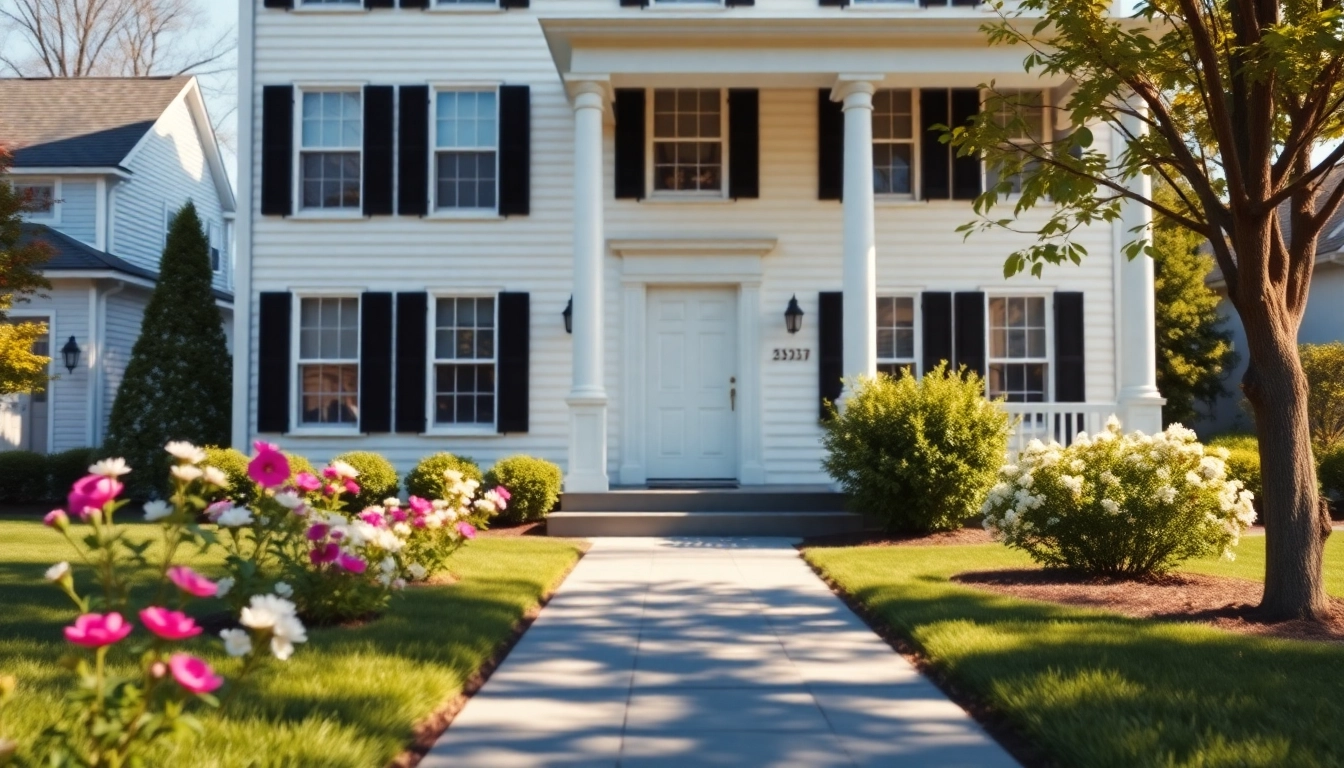
Colonial architecture is characterized by symmetry, simplicity, and a formal arrangement of elements. Key features include:
- Symmetry: Colonial homes typically exhibit a symmetrical facade, where windows and doors are arranged proportionately.
- Colonial Materials: Traditional materials like brick, wood, and stone are commonly used, offering durability and timeless appeal.
- Gabled Roofs: Steeply pitched roofs with gables are a signature feature, often adorned with dormer windows.
- Fireplaces: Large, central fireplaces are frequently found in living spaces, serving both functional and aesthetic roles.
- Classic Doorways: Front doors are typically adorned with decorative pediments or transoms, making a significant statement.
Planning Your Colonial Home Renovation
Assessing Your Current Space
Before embarking on a renovation project, conducting a thorough assessment of your current home is crucial. This includes evaluating the structural integrity, identifying areas that need repair, and understanding the overall functionality of your space. Working with a qualified architect or contractor to inspect the building’s foundation, roofing, and structural elements will ensure that any underlying issues are addressed before cosmetic renovations begin. Additionally, considering how your family uses the space can inform practical design choices that enhance daily living.
Setting a Realistic Budget
Establishing a realistic budget for your Colonial home renovation is essential to avoid financial pitfalls. Begin by determining your renovation goals: whether you aim for a full-scale restoration or minor updates. Research similar projects to gauge potential costs, and factor in a contingency fund of at least 10-20% for unexpected expenses. Here are key financial considerations:
- Labor Costs: Skilled tradespeople are necessary for quality work, particularly for restorations that maintain historical accuracy.
- Materials: Authentic materials can be more expensive but are critical for preserving the home’s original character.
- Permits and Inspections: Be sure to include costs that may arise from local regulations or historical preservation requirements.
- Interior Design: Don’t overlook costs for interior design consultation and furnishings that complement the renovated space.
Choosing the Right Materials
Choosing materials that complement the historical significance of your Colonial home while being durable and energy-efficient is paramount. Here are some materials that blend the best of both worlds:
- Hardwood Flooring: Traditional oak or pine flooring can provide warmth and character while being practical.
- Authentic Siding: Vinyl or fiber cement siding can mimic the appearance of original wood siding but with low maintenance.
- Energy-Efficient Windows: While maintaining aesthetics, opt for windows designed to enhance energy efficiency without compromising classic style.
- Insulation: Incorporating modern insulation techniques can help improve energy efficiency while safeguarding the home’s historical fabric.
Design Considerations for Colonial Homes
Balancing Modernity with Tradition
One of the significant challenges in colonial home renovation is striking a balance between modern functionality and historical accuracy. While you may want to incorporate open floor plans or updated kitchens, it is critical to ensure that these elements do not detract from the overall aesthetic value of the home. Here are some strategies to achieve this balance:
- Functional Layouts: Re-evaluate room partitions to enhance flow while keeping the historical footprint intact.
- Blend Contemporary Elements: Use modern fixtures or appliances that are inconspicuous but enhance the home’s livability.
- Historical Focal Points: Maintain or restore traditional fireplaces, mantels, and moldings to anchor the design.
Incorporating Sustainable Practices
Renovating a Colonial home offers a unique opportunity to incorporate sustainability into your design. Here are useful strategies to make renovations environment-friendly:
- Reclaimed Materials: Utilize reclaimed wood, brick, or other materials to minimize waste and maintain authenticity.
- Energy-Efficient Systems: Invest in high-efficiency HVAC systems and smart technology to reduce energy usage.
- Natural Landscaping: Create gardens that require minimal water and attract local wildlife, further enhancing the home’s connection to nature.
Maximizing Space and Functionality
Colonial homes often have defined spaces that may not suit modern lifestyles. Therefore, reimagining space allocation is necessary. Consider these techniques:
- Adaptive Reuse: Transform unused attic or basement spaces into functional areas like guest rooms or home offices.
- Open Concept Areas: Where practical, consider removing non-structural walls to create family-oriented living spaces.
- Smart Storage Solutions: Integrate built-in shelves or cabinets that align with the Colonial aesthetic to maintain visual coherence.
Executing Your Colonial Home Renovation
Hiring the Right Professionals
An effective renovation requires a team of professionals who understand both modern construction techniques and historical preservation. Start by selecting an architect who specializes in Colonial homes and can design restoration plans compliant with local regulations. Collaborate with general contractors, craftsmen, and interior designers who appreciate the nuances of Colonial architecture and can deliver quality work that respects historical details. Make sure to assess past projects, verify references, and ensure all professionals are licensed and insured.
Managing the Renovation Process
An organized management process is pivotal to ensure the renovation goes smoothly. Here are steps to effectively manage your project:
- Clear Communication: Maintain regular communication with your team to discuss progress and any emerging challenges.
- Project Timeline: Establish a realistic timeline based on the scope of work, which will help manage expectations for both you and your contractors.
- Regular Site Visits: Take the time to visit the site frequently, observing work progress and ensuring it aligns with your vision.
Staying on Schedule and Budget
To keep your Colonial home renovation on schedule and within budget, implement these strategies:
- Detailed Planning: Ensure that all aspects of the renovation are planned meticulously, leaving little room for deviation.
- Monitor Expenses: Keep track of all expenses using budgeting software or spreadsheets, noting any changes or unexpected costs.
- Flexibility: Acknowledge that some changes may occur during the renovation and determine in advance how to handle these modifications without derailing the project.
Maintaining Your Renovated Colonial Home
Regular Upkeep Tips
Once your Colonial home has been successfully renovated, maintaining it is essential to ensure its longevity. Develop a regular upkeep schedule that includes tasks such as:
- Inspecting roofs and gutters to prevent water damage.
- Regularly painting or sealing wood elements to protect against moisture and pests.
- Cleansing brick and stone exteriors to maintain aesthetic appeal.
Seasonal Maintenance Checklist
Adhering to a seasonal maintenance checklist ensures that your home remains in top-notch condition:
- Spring: Inspect roofing and gutters, check window seals, and service your HVAC system.
- Summer: Focus on exterior maintenance like painting and landscaping; check for pest infestations.
- Fall: Clean leaves from gutters, service heating systems, and inspect chimney and fireplace.
- Winter: Check for drafts, inspect insulation, and ensure pipes are protected from freezing temperatures.
Enhancing Curb Appeal After Renovation
Boosting curb appeal is vital for making your Colonial home look inviting and well-maintained. Consider the following tips:
- Landscaping: Invest in native plants that enhance the garden’s beauty and require less maintenance.
- Exterior Lighting: Install tasteful lighting fixtures that highlight architectural details and contribute to safety at night.
- Front Door Updates: A freshly painted or upgraded front door can provide an instant facelift to your home’s exterior.
Frequently Asked Questions
What is the average cost of a Colonial home renovation?
The average cost can vary widely depending on the scope of the renovation, but it ranges from $100 to $500 per square foot. Budgeting 10-20% for contingencies is essential.
How can I maintain the historical integrity of my Colonial home?
Focus on authentic materials, restore original features, and consult historical guidelines specific to Colonial architecture during renovation.
Can I modernize my Colonial home without losing its charm?
Yes! Updating kitchens and bathrooms with modern amenities while preserving classic design elements can enhance both functionality and charm.
What are some common challenges in Colonial renovations?
Challenges include determining structural issues, navigating historical regulations, and sourcing authentic materials that align with contemporary codes.
How often should I perform maintenance on my Colonial home?
Regular maintenance should be conducted seasonally, with specific annual inspections of roofs, plumbing, and heating systems to identify potential issues early.